









Creating a sustainable and eco-friendly home environment is not only good for the planet but can also improve your quality of life and often reduce household expenses. By making mindful choices about energy use, materials, and daily habits, you can significantly reduce your environmental footprint. Here are some practical tips to help you transform your home into a greener space.
Why Create an Eco-Friendly Home?
Living sustainably means using resources wisely to minimize harm to our environment. Homes consume a significant amount of energy and produce waste, so making changes at home can have a meaningful impact. Additionally, eco-friendly homes often provide healthier indoor air, greater comfort, and can even increase property value.
Energy Efficiency: Reduce Consumption and Costs
Upgrade to Energy-Efficient Appliances
Replacing old appliances with energy-efficient models can save power and money. Look for products with the ENERGY STAR label, which meet strict energy performance criteria.
Use LED Lighting
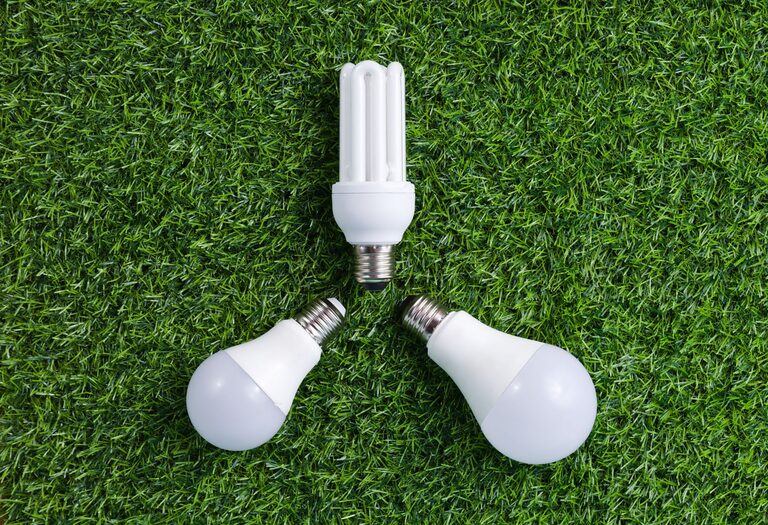
LED bulbs use up to 75% less energy than traditional incandescent bulbs and last much longer. Switch to LED lighting throughout your home to lower energy use.
Improve Insulation and Sealing
Proper insulation keeps your home warm in winter and cool in summer, reducing the need for heating and cooling. Seal gaps around doors and windows to prevent drafts.
Consider Renewable Energy Options
If possible, explore solar panels or other renewable energy systems. They can reduce dependence on fossil fuels and often come with tax incentives.
Water Conservation: Save Water and Protect Resources
Install Low-Flow Fixtures
Low-flow showerheads and faucet aerators reduce water usage without sacrificing performance. This simple upgrade cuts your water bills and conserves a critical resource.
Fix Leaks Promptly
Even small leaks can waste a surprising amount of water over time. Regularly check your plumbing and repair drips or leaks quickly.
Practice Water-Smart Landscaping
Choose native or drought-resistant plants that require less watering. Use mulch to retain soil moisture and consider rainwater harvesting for outdoor irrigation.
Waste Reduction: Minimize Trash and Recycle Smartly
Embrace Recycling and Composting
Sorting recyclables properly helps keep waste out of landfills. Composting organic waste reduces methane emissions and produces nutrient-rich soil for your garden.
Choose Reusable and Minimal Packaging Products
Switch to reusable shopping bags, containers, and water bottles. Avoid products with excessive packaging or opt for items made from recycled materials.
Donate and Repurpose Items
Before discarding old furniture, clothes, or electronics, consider donating them or finding new uses. This extends the life of products and reduces waste.
Sustainable Materials: Choose Eco-Friendly Options
Opt for Natural and Non-Toxic Materials
When renovating or decorating, select natural materials like bamboo, cork, or reclaimed wood. Avoid products with harmful chemicals or volatile organic compounds (VOCs) that can affect indoor air quality.
Use Low-Impact Paints and Finishes
Choose low-VOC or no-VOC paints to reduce indoor pollution. These options are better for your health and the environment.
Indoor Air Quality: Create a Healthy Living Space
Increase Ventilation
Good airflow helps remove indoor pollutants. Open windows regularly or use exhaust fans in kitchens and bathrooms.
Add Houseplants
Certain indoor plants can help purify the air while adding beauty and a calming vibe to your home.
Smart Habits: Make Sustainable Living a Routine
Reduce Energy Use by Turning Off Devices
Turn off lights and unplug electronics when not in use. Consider using power strips to eliminate standby power consumption.
Choose Sustainable Cleaning Products
Many conventional cleaners contain harsh chemicals. Look for biodegradable, non-toxic options made from natural ingredients.
Educate Your Household Members
Share the benefits of sustainable living with family or roommates. Collective effort makes eco-friendly habits easier and more consistent.
Conclusion
Creating a sustainable and eco-friendly home environment is achievable through thoughtful changes and everyday habits. Whether upgrading appliances, conserving water, reducing waste, or selecting sustainable materials, every step counts. Not only will you contribute to a healthier planet, but you’ll also enjoy a more comfortable and efficient home. Start with small changes and build on them over time to make your home a model of green living.