









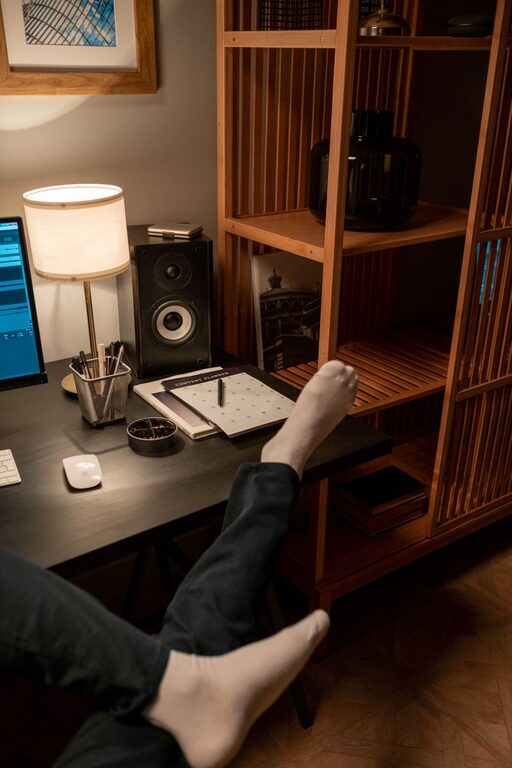
Creating a home workspace that feels both comfortable and calming can greatly improve your productivity and overall well-being. Whether you work remotely full-time or occasionally, having a designated area designed to reduce stress and increase focus is essential. This guide offers practical tips to help you transform any corner of your home into a relaxed, efficient workspace.
Why a Relaxing Workspace Matters
A well-designed workspace can reduce distractions, minimize discomfort, and improve your mood. When your environment supports concentration and comfort, it becomes easier to stay motivated, complete tasks, and maintain a healthy work-life balance.
Choose the Right Location
Start by selecting a spot in your home that suits your work style.
– Natural Light: Aim for a space near a window with plenty of natural light. Sunlight helps regulate your body’s internal clock and boosts energy.
– Quiet Area: Pick a place with minimal noise and foot traffic to avoid interruptions.
– Sufficient Space: Ensure you have enough room for your desk, chair, and any necessary equipment without feeling cramped.
Invest in Comfortable Furniture
Your furniture plays a key role in comfort and productivity.
– Ergonomic Chair: A supportive chair with adjustable height and lumbar support can prevent back pain during long hours.
– Desk Height: Choose a desk that allows your elbows to rest comfortably at 90 degrees when typing.
– Flexibility: Consider a sit-stand desk or add a standing mat to promote movement throughout the day.
Organize with Purpose
Clutter can increase stress and reduce focus. Keep your workspace tidy and organized with these tips:
– Storage Solutions: Use drawers, shelves, or bins to store supplies neatly.
– Cable Management: Employ clips or sleeves to keep cords untangled and out of sight.
– Daily Declutter: Spend a few minutes at the end of each day tidying up to start fresh tomorrow.
Personalize Your Space
A workspace that feels inviting encourages you to spend time there.
– Plants: Add greenery to brighten the room and improve air quality.
– Decor: Use calming colors and artwork that inspire you without distracting.
– Comfort Items: Include a soft blanket, a favorite mug, or a small diffuser with relaxing scents like lavender.
Optimize Lighting
Good lighting reduces eye strain and boosts alertness.
– Layered Lighting: Combine natural light with overhead and task lighting to adjust brightness as needed.
– Adjustable Desk Lamp: Position a lamp so it illuminates your work area without causing glare on screens.
Manage Noise and Distractions
Minimizing interruptions helps you stay focused and calm.
– Noise-Canceling Headphones: These can block out household noises and improve concentration.
– White Noise or Soft Music: Gentle background sounds can reduce disruptive noises and promote relaxation.
– Set Boundaries: Communicate your work hours to family or roommates to minimize distractions.
Establish a Routine
Consistency helps your brain associate your workspace with productivity.
– Set Work Hours: Start and end work at regular times to separate work from personal life.
– Break Time: Schedule short breaks to stretch, relax your eyes, and recharge.
– Morning Ritual: Begin your day with a routine that prepares you mentally, such as a cup of tea or light exercise.
Use Technology Wisely
Select tools and apps that support your workflow without overwhelming you.
– Declutter Your Desktop: Keep only essential shortcuts and files visible.
– Focus Apps: Try tools that block distracting sites or track your productivity.
– Backup: Regularly save your work to avoid stress from lost files.
Incorporate Movement
Incorporate small physical movements to avoid stiffness and improve circulation.
– Stretching: Take brief stretching breaks to relieve tension.
– Standing Options: Alternate between sitting and standing if possible.
– Walking Meetings: Consider phone meetings while walking to stay active.
Final Thoughts
Designing a relaxing home workspace tailored to your needs can make daily work more enjoyable and effective. By focusing on comfort, organization, and calming elements, you create a supportive environment that nurtures both productivity and well-being. Start with small changes, and you’ll soon notice the positive impact on your work and mindset.