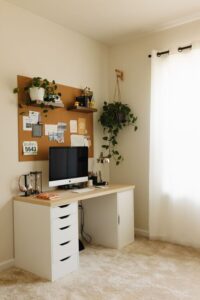
Creating a relaxing home office space is essential for maintaining focus, reducing stress, and boosting productivity when working from home. Whether you spend a few hours or a full day at your desk, the environment around you can greatly impact your mood and efficiency. In this post, we’ll share helpful tips to design a calming and comfortable home office that suits your needs.
Choose the Right Location
Find a Quiet Spot
Select a space in your home that is as free from distractions as possible. A quiet corner, spare bedroom, or a nook with a door can help you separate work from home life.
Consider Natural Light
Try to place your desk near a window. Natural light not only improves your mood but also reduces eye strain. If natural light is limited, invest in good quality task lighting that mimics daylight.
Invest in Comfortable Furniture
Ergonomic Chair
A supportive office chair is one of the best investments you can make. Look for adjustable height, lumbar support, and comfortable padding to help maintain good posture.
Appropriate Desk Height
Keep your desk at a height where you can rest your forearms comfortably while typing. Adjustable desks or standing desk options can help you change positions throughout the day.
Use Soothing Colors and Decor
Choose Calming Colors
Soft, muted colors like light blues, greens, or neutral tones can create a peaceful atmosphere. Avoid overly bright or harsh colors that might feel distracting.
Add Personal Touches
Incorporate items that make you feel relaxed and inspired—such as plants, artwork, or meaningful objects. However, keep clutter minimal to avoid stressing your mind.
Organize and Declutter
Keep Essentials Within Reach
Arrange your most-used items—pens, notepads, computer accessories—within easy reach. Use organizers like trays or drawers to keep surfaces tidy.
Implement Storage Solutions
Shelves, filing cabinets, or baskets can help you store papers and supplies out of sight, reducing visual distractions.
Digital Organization
Keep your computer desktop and files organized to avoid frustration. Use folders and clear naming systems.
Incorporate Greenery
Benefits of Plants
Indoor plants not only enhance the look of your workspace but also improve air quality and promote a sense of calm.
Easy-to-Care Plants
Consider low-maintenance plants like snake plants, succulents, or pothos if you don’t have a green thumb.
Control Noise Levels
Use Noise-Canceling Headphones
If you work in a noisy environment, noise-canceling headphones can help you maintain concentration.
Play Soft Background Music
Some people find that soft instrumental or ambient music helps improve focus and reduces stress.
Add Sound Absorbers
Rugs, curtains, and upholstered furniture can help reduce echo and outside noise.
Incorporate Movement
Take Regular Breaks
Stretch, stand up, or walk around briefly every hour to reduce tension and boost circulation.
Standing Desk or Converter
Alternating between sitting and standing can help prevent stiffness and fatigue.
Use Pleasant Scents
Aromatherapy
Incorporate subtle scents like lavender, peppermint, or citrus with a diffuser or scented candle to create a soothing environment.
Avoid Overpowering Smells
Keep fragrances light and unobtrusive so they enhance rather than distract.
Set Boundaries
Define Work Hours
Establish a routine to separate work time and personal time, helping maintain work-life balance.
Use Visual Cues
When possible, close the door or use a screen to signal to family or housemates that you are working and need quiet time.
—
By thoughtfully designing your home office with these practical tips, you can create a relaxing and efficient space tailored to your needs. A comfortable environment encourages focus and well-being, ultimately making your workdays more enjoyable and productive. Remember, small changes can have a big impact—start with one or two ideas and adjust as you learn what works best for you.